
A few weeks ago, I accidentally opened a journal entry I had written a year ago.
I wasn't looking for anything specific.
I simply stumbled across an old note while organizing my journal entries.
After reading just a few lines, I felt something unexpected.
The person writing those words felt familiar.
But at the same time, completely different.
That version of me was worried.
Stressed.
Uncertain about the future.
And yet, as I continued reading, I realized something important:
Most of the things I was worried about no longer mattered.
Some had been solved.
Some never happened.
And some I had completely forgotten.
That's when I began thinking about the real value of keeping a journal.
We Forget More Than We Realize
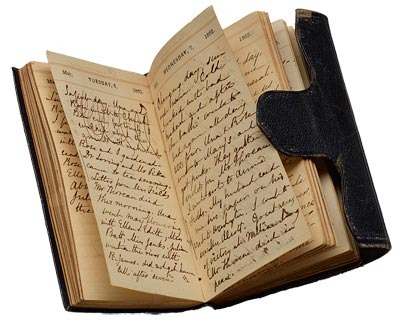
Human memory is surprisingly unreliable.
We remember major events, but often forget the emotions behind them.
The fears.
The hopes.
The excitement.
The uncertainty.
Over time, those feelings fade.
Without a record, it's easy to believe:
"I've always been this way."
But old journal entries often prove otherwise.
They reveal how much we've changed.
How much we've learned.
And how much we've grown.
My Past Self Was Worried About the Future

As I read through old entries, one theme appeared again and again:
Worry.
I was worried about my career.
Worried about decisions.
Worried about whether I was moving in the right direction.
At the time, those concerns felt enormous.
Today, most of them are either solved or irrelevant.
That realization was strangely comforting.
It reminded me that many of today's worries may eventually become tomorrow's forgotten problems.
Journals Preserve More Than Memories

Photos capture moments.
Journals capture thoughts.
A photo can show where you were.
A journal can show who you were.
The emotions.
The dreams.
The struggles.
The questions you couldn't answer yet.
That's why reading old journal entries feels less like reviewing notes and more like having a conversation with a previous version of yourself.
What I Would Tell My Past Self

While reading those entries, I kept thinking:
"You're going to be okay."
The things that seemed impossible eventually became manageable.
The fears that felt overwhelming lost their power.
If I could speak to my past self, I would tell him to worry less and trust himself more.
Interestingly, that's also advice I sometimes need to hear today.
Journaling Has Become Even More Powerful







In the past, many people wrote journals and rarely looked at them again.
Today, journaling can be a much more reflective experience.
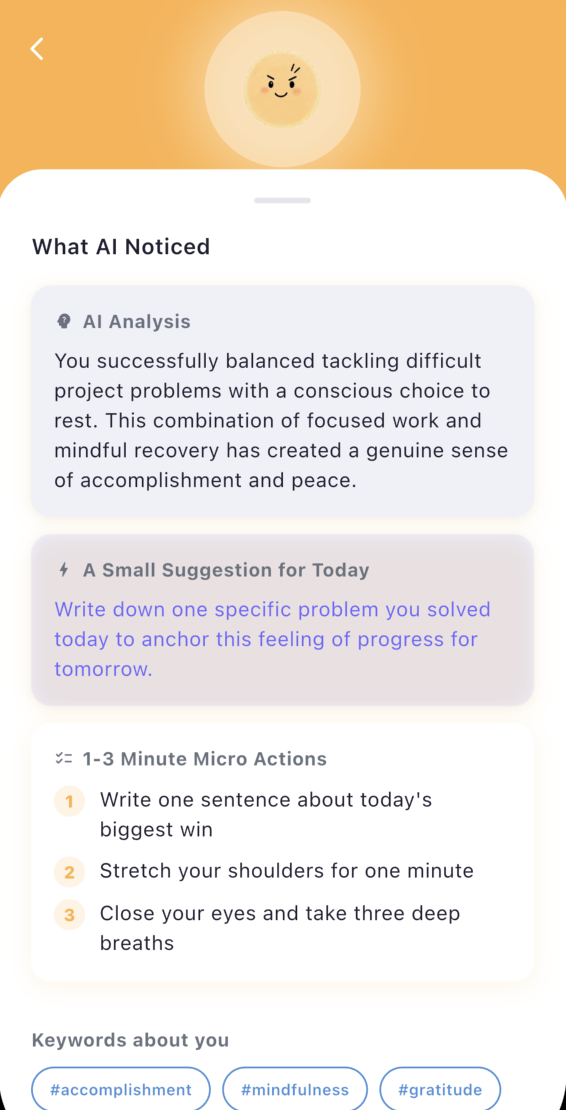
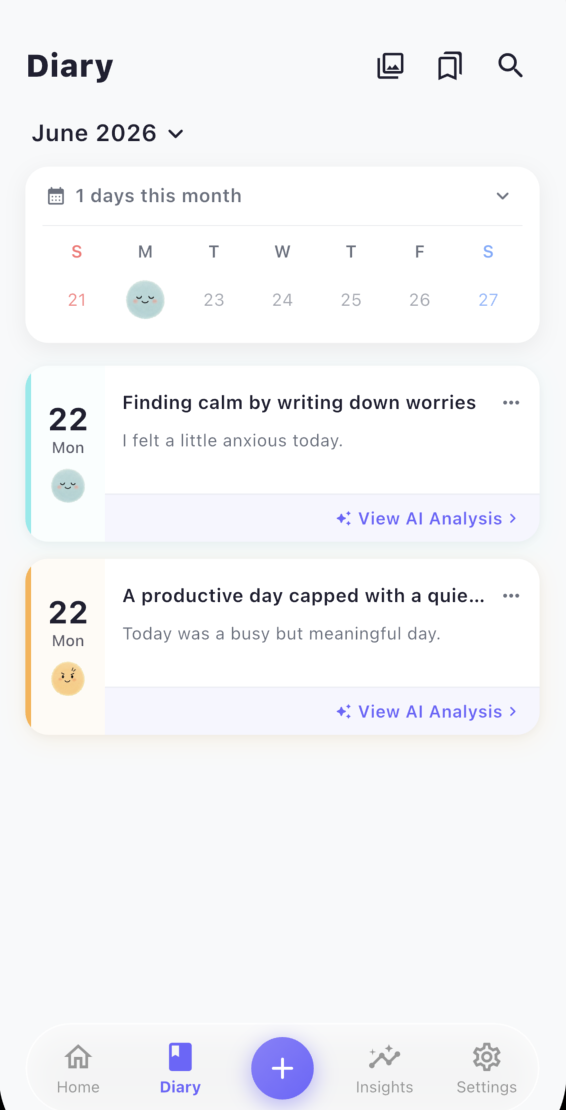
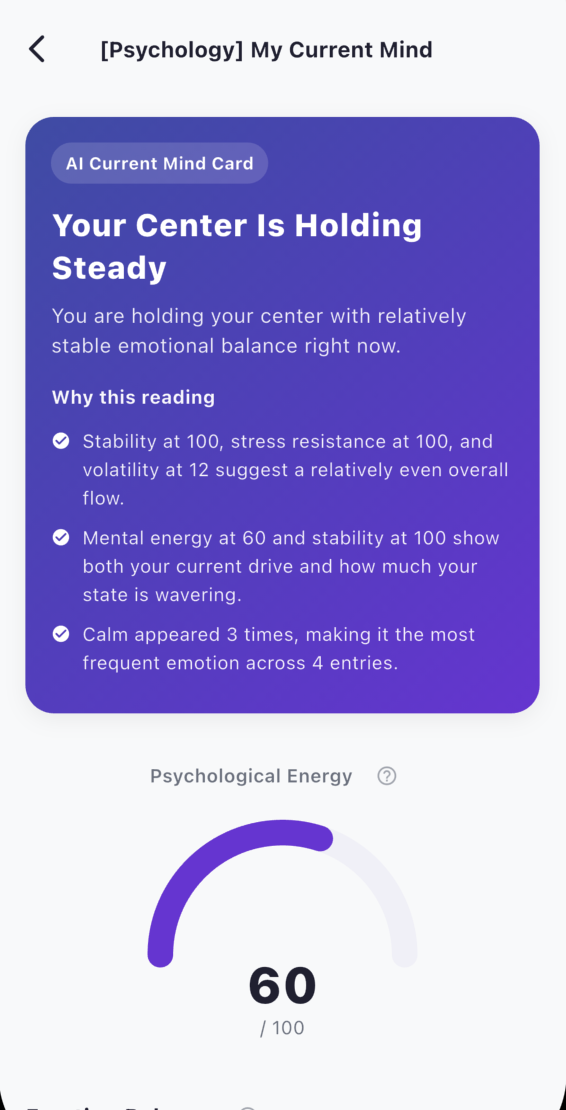
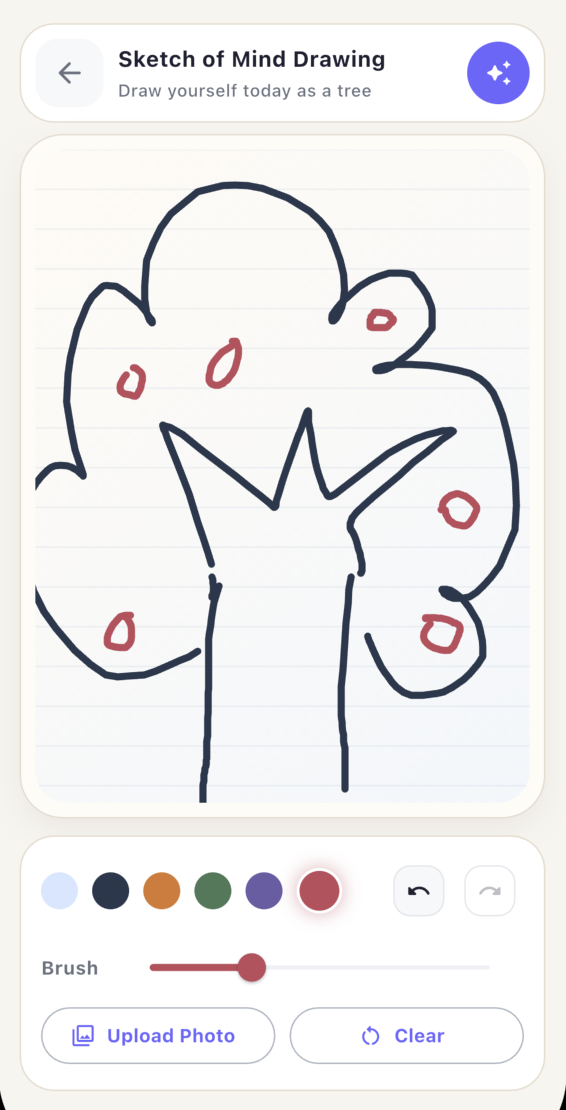
I've been using Mind Mirror, an AI-powered journaling app, to keep track of my thoughts and emotions.
What I appreciate most is how it helps me revisit my emotional patterns over time.
Looking back, I can see:
- When I felt most anxious
- What brought me happiness
- Which worries kept repeating
Those insights turn journaling from simple record-keeping into a tool for self-understanding.
Reading Your Past Self
We spend a lot of time thinking about our future selves.
But we rarely spend time listening to our past selves.
Old journal entries remind us where we've been.
What we've survived.
And how far we've come.
Sometimes, the person you need encouragement from isn't someone else.
It's the version of yourself who already made it through difficult times.
Final Thoughts
Reading your past self isn't about nostalgia.
It's about perspective.
It's about realizing that growth often happens so gradually that we don't notice it until we look back.
So if you've ever kept a journal, try reading an old entry tonight.
You may discover that you're stronger, wiser, and more resilient than you think.
And that's a reminder worth keeping.
Mind Mirror — AI Diary & Mood Tracker App
Free AI diary app powered by Google Gemini that analyzes your daily entries to discover emotion patterns and deliver mental wellness insights. iOS & Android.
mind-mirror.app