Have you ever noticed how one criticism can stay with you longer than ten compliments?
A single embarrassing mistake can replay in your mind for years, while moments of success often fade surprisingly quickly.
Even after a wonderful day, many people go to bed thinking about the one thing that went wrong.
Why does this happen?
Why does the human brain seem to hold onto negative memories more tightly than positive ones?
The answer has less to do with personality and more to do with how our brains evolved.
Your Brain Was Designed for Survival
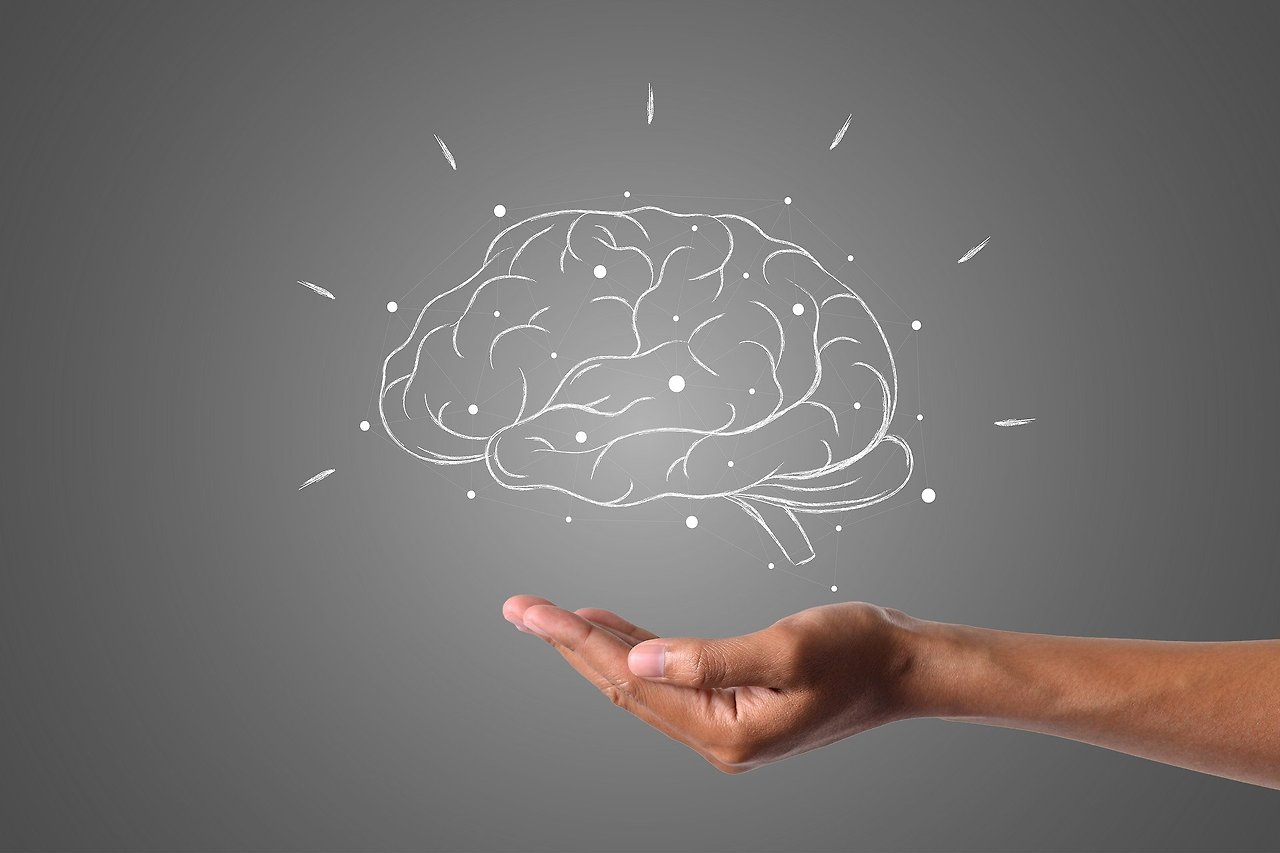
For most of human history, survival mattered more than happiness.
Imagine living thousands of years ago.
Forgetting where you saw a beautiful flower wasn't a problem.
Forgetting where a dangerous predator appeared could be deadly.
Because of this, the human brain evolved to pay more attention to threats, mistakes, and potential dangers.
Psychologists call this phenomenon Negativity Bias.
It refers to our tendency to give more weight to negative experiences than positive ones.
Negative Experiences Leave Stronger Emotional Marks

Positive experiences make us feel good.
Negative experiences feel important.
Our brains often interpret negative events as lessons that could help us avoid future harm.
For example:
- Receiving praise during a presentation
- Making a mistake during that presentation
Which memory do you think lasts longer?
For most people, it's the mistake.
The brain keeps replaying it as a way of learning and protecting itself.
Social Media Can Amplify This Effect

Modern life makes negativity bias even stronger.
Every day, we're exposed to carefully curated versions of other people's lives.
We see achievements.
Vacations.
Success stories.
As a result, we often focus on our own shortcomings.
When comparison combines with negativity bias, negative thoughts can become even more powerful.
The Good News: Positive Memories Can Be Strengthened

While negativity bias is natural, it isn't permanent.
We can train ourselves to pay more attention to positive experiences.
One effective method is journaling.
Instead of only replaying mistakes, try recording:
- One thing that went well today
- One moment of gratitude
- One small success
Over time, this practice helps your brain notice positive experiences more often.
Why Keeping a Journal Helps


When I started journaling regularly, I noticed something surprising.
I thought most of my memories were stressful or frustrating.
But when I looked back at my entries, I found many positive moments I had forgotten.
Conversations with friends.
Small achievements.
Moments of peace.
They were always there—I simply wasn't paying enough attention to them.
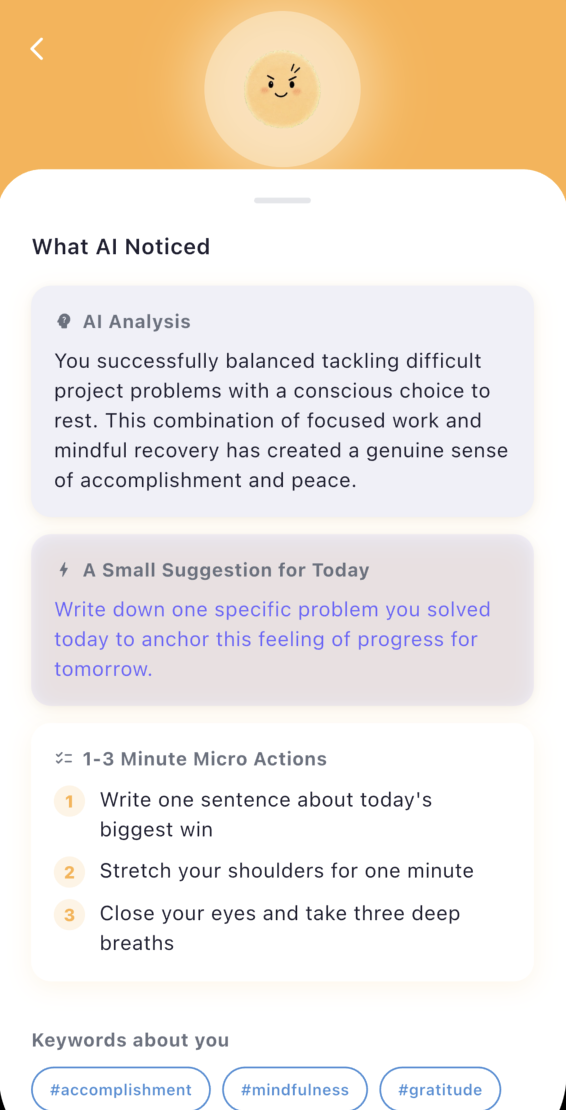
Recently, I've been using Mind Mirror, an AI-powered journaling app.
Its emotion analysis feature helps me recognize emotional patterns over time.
One unexpected benefit is becoming more aware of positive emotions that I might otherwise overlook.
Remembering Negative Things Doesn't Mean Something Is Wrong
Many people criticize themselves for focusing on negative memories.
But this tendency is part of being human.
The goal isn't to eliminate negative memories.
The goal is to create balance by giving positive experiences the attention they deserve.
Final Thoughts
Your brain remembers negative experiences because it evolved to keep you safe.
That's why failures, regrets, and embarrassing moments often feel so vivid.
But your life is not made up only of negative experiences.
Today, try asking yourself:
"What was one good thing that happened today?"
It may seem like a simple question.
But over time, it can change what your mind chooses to remember.
Mind Mirror — AI Diary & Mood Tracker App
Free AI diary app powered by Google Gemini that analyzes your daily entries to discover emotion patterns and deliver mental wellness insights. iOS & Android.
mind-mirror.app